Pressure die casting
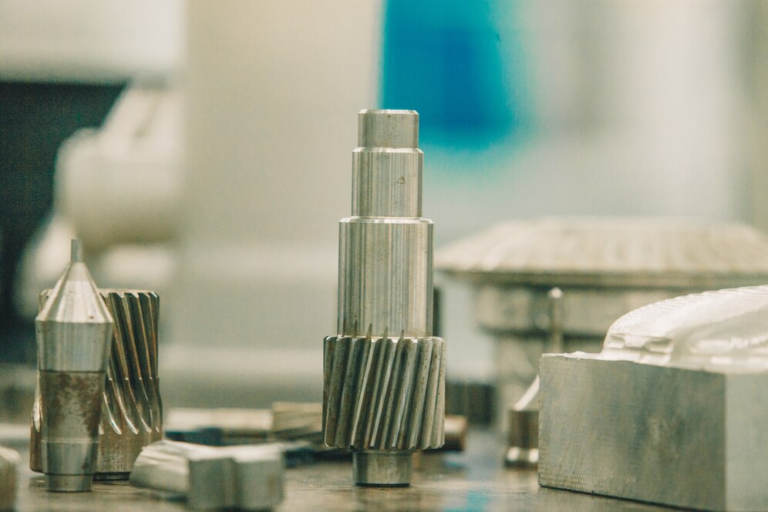
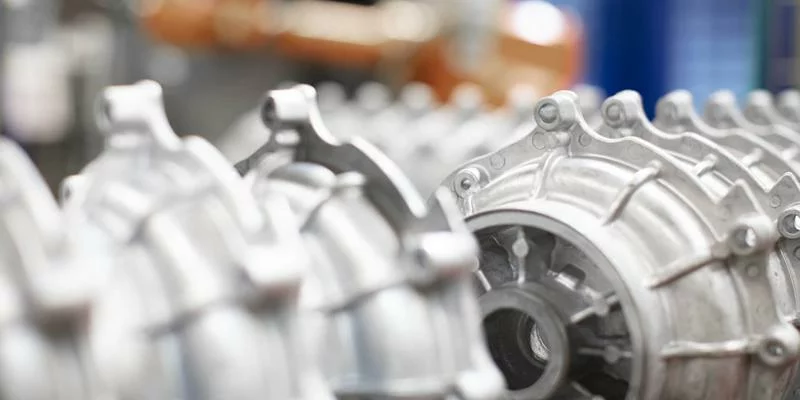
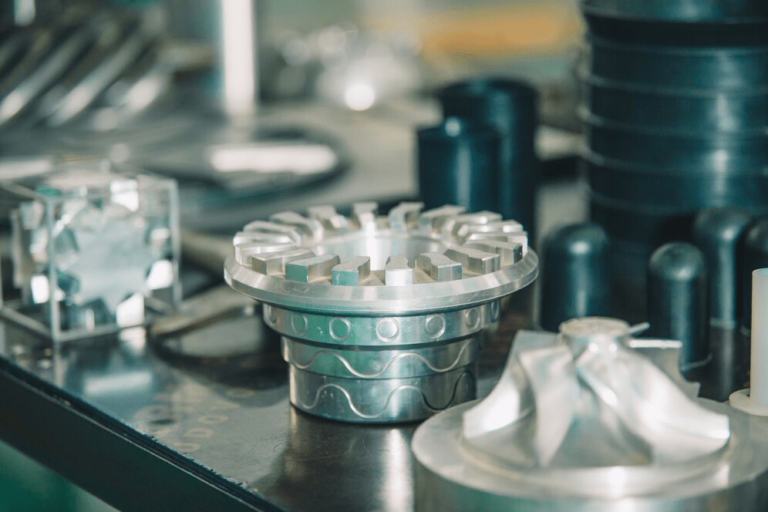
Pressure die casting is a manufacturing process that involves injecting molten metal into a steel mold (die) under high pressure. This rapid injection creates parts with excellent dimensional accuracy, fine detail, and smooth surface finishes. Pressure die casting is ideal for producing large quantities of metal components that require tight tolerances, intricate designs, and high durability.
Introduction to High Pressure Die Casting
High pressure die casting is a highly efficient manufacturing process used to create metal components with exceptional precision and surface finish. This technique is particularly popular in industries such as automotive, aerospace, and consumer electronics due to its ability to produce complex shapes quickly and cost-effectively.
Benefits of High Pressure Die Casting
Precision and Accuracy
The process allows for tight tolerances and intricate designs, ensuring high-quality parts.
Material Efficiency
Minimal waste of raw materials compared to other manufacturing methods.
Rapid Production
High throughput allows for quick turnaround times, making it ideal for mass production.
Versatility
Can be used with a variety of metals, including aluminum, zinc, and magnesium.
The High Pressure Die Casting Process
1. Mold Design and Preparation
- The process begins with the design of the die, typically made from steel or other durable materials.
- The mold is carefully engineered to accommodate the desired part shape, including features like ejector pins and cooling channels.
2. Metal Melting
- Raw metal is heated to its melting point in a furnace.
- The temperature and composition are closely monitored to ensure optimal flow and quality.
3. Injection
- The molten metal is injected into the mold at high pressure (up to 30,000 psi) using a hydraulic or mechanical press.
- This rapid injection fills the mold quickly, minimizing air pockets and ensuring a solid cast.
4. Cooling
- After injection, the metal cools and solidifies within the mold.
- Cooling times depend on the size and complexity of the part.
5. Ejection
- Once the part has cooled sufficiently, it is ejected from the mold using ejector pins.
- Care is taken to avoid damaging the part during this process.
6. Finishing
- The cast part may undergo additional processes such as trimming, machining, or surface finishing to meet specific tolerances and surface quality standards.
The High Pressure Die Casting Process Flow
- The process begins with the design of the die, typically made from steel or other durable materials.
- The mold is carefully engineered to accommodate the desired part shape, including features like ejector pins and cooling channels.
- Raw metal is heated to its melting point in a furnace.
- The temperature and composition are closely monitored to ensure optimal flow and quality.
- The molten metal is injected into the mold at high pressure (up to 30,000 psi) using a hydraulic or mechanical press.
- This rapid injection fills the mold quickly, minimizing air pockets and ensuring a solid cast.
- After injection, the metal cools and solidifies within the mold.
- Cooling times depend on the size and complexity of the part.
- Once the part has cooled sufficiently, it is ejected from the mold using ejector pins.
- Care is taken to avoid damaging the part during this process.
- The cast part may undergo additional processes such as trimming, machining, or surface finishing to meet specific tolerances and surface quality standards.
Industries We Serve
Our components are supplied with high quality levels to meet Customer requirements.
If you’re looking for reliable high pressure die casting services, contact us today to discuss your project requirements and discover how we can help you achieve your manufacturing goals.